- Λεπτομέρειες
- Nikos Vrantsis
- English
by Nikos Vrantsis
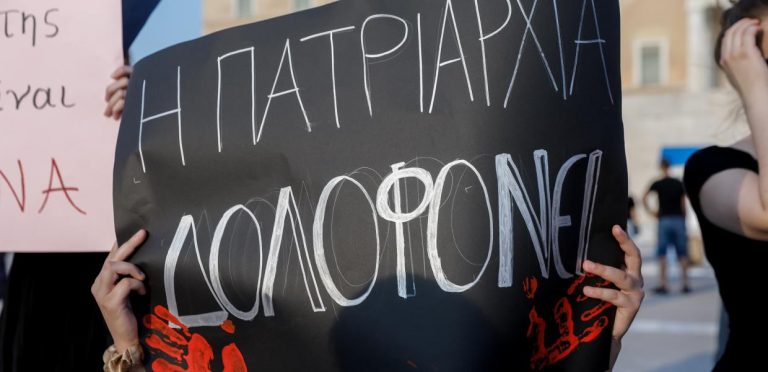
According to the European Institute for Gender Equality, femicide is recognized as ”the murder of women and girls because of their gender.” Gender based violence and murders are not new, but they remain undisclosed.
Greece is no exception to that. According to Greek Police data, 69 women were murdered in the years 2013-2018, due to domestic intrafamily violence (which accounts for 30-50% of all women victims of homicides per year). Nevertheless, the number of femicides is in fact much higher, since before law 4531 passed in 2018, current/former permanent partners or parties to a cohabitation agreement did not qualify as family. Overall, from 2012 to 2018, there were 22,183 reported cases of intrafamily violence against women.
It was November 2018, when the shocking rape and murder of 21-year-old student Eleni Topaloudi in the island of Rhodes by two uncannily unapologetic young males, turned into a watershed case and led to a public outcry that strongly contributed for the term femicide to be dynamically introduced for the first time in the Greek public discourse. Thenceforth, ”femicides” begun to be reported by the media as well as human rights organizations, without, however, significant steps being taken to prevent and support victims of gender-based violence.
People as property
It did not occur to me when I chose on the destination of my summer vacation, when I looked down out of the plane window, or when I landed and drove down the narrow streets replete with bare rocks, prickly pears trees, dormant wind turbines and structures made of concrete.
Only two days later, when I found myself in the traditional village of Olympus and encountered local women wearing their traditional costumes, did I remember a monograph written by an anthropologist, Bernard Vernier, about family relations on the small island of Karpathos.
It’s been many years since I read the book, and I vaguely remember the arguments of its author, but I still retain the connection Vernier draws between the small size of owned property and the emergence of a special norm of patrimony called ”κανακαριά”.
On this arid island marked by the in-existence of arable land, parents were favoring their firstborn children to the detriment of those born later. Their property was not divided, neither shared. The mother transferred her entire property to the eldest daughter, while the father transferred his property undivided to the firstborn son. Second-graders were demoted to unpaid labourers in the service of their siblings, who as undisputed heirs had complete control over the latters’ life and a duty not to let their propertyless brothers and sisters starve out of poverty.
Dressed in the traditional costume of Olympus, Mrs. Dimitra, who makes a living selling souvenirs to tourists arriving in this secluded village, has an answer at once apologetic and critical: “It was unfair… I can tell you some horrible stories… But Karpathos is a desert island, when we talk about property we are talking about ten olive trees; if they got this divided all children would...
- Λεπτομέρειες
- Black Rose Books
- English
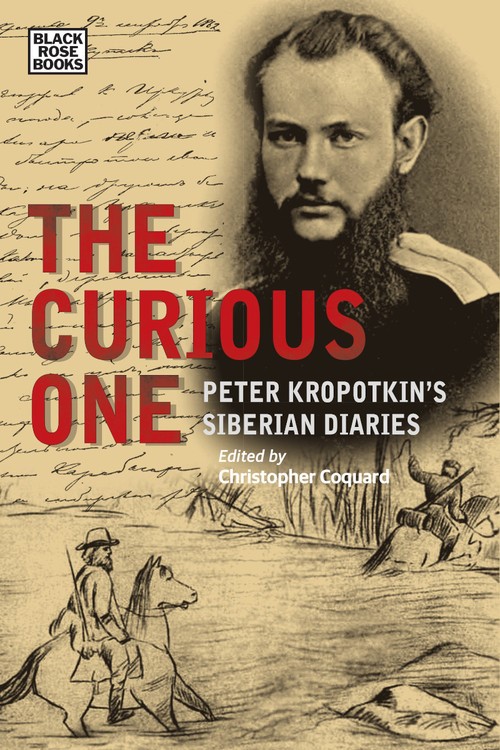
First published posthumously in 1923 in Russia, Kropotkin’s Siberian Diaries take us on his five year journey from St. Petersburg to Siberia, via Moscow, Kaluga, Chita, and Irkutsk. These pages immerse us in Kropotkin’s development as a brilliant scientist as he explored almost impassable terrain while also giving us a clear picture of his early political and philosophical thinking at a crucial moment in Russian history. Their first English language publication is a landmark event.
http://blackrosebooks.net/products/view/The+Curious+One%3A+Peter+Kropotkin%27s+Siberian+Diaries/84360?fbclid=IwAR1e4MC9PLd4CsoPE_ytSaJhXJAmg4wuJ4q8sKnm0izP0FTD20HpBsweJMs
...- Λεπτομέρειες
- Stergios
- English
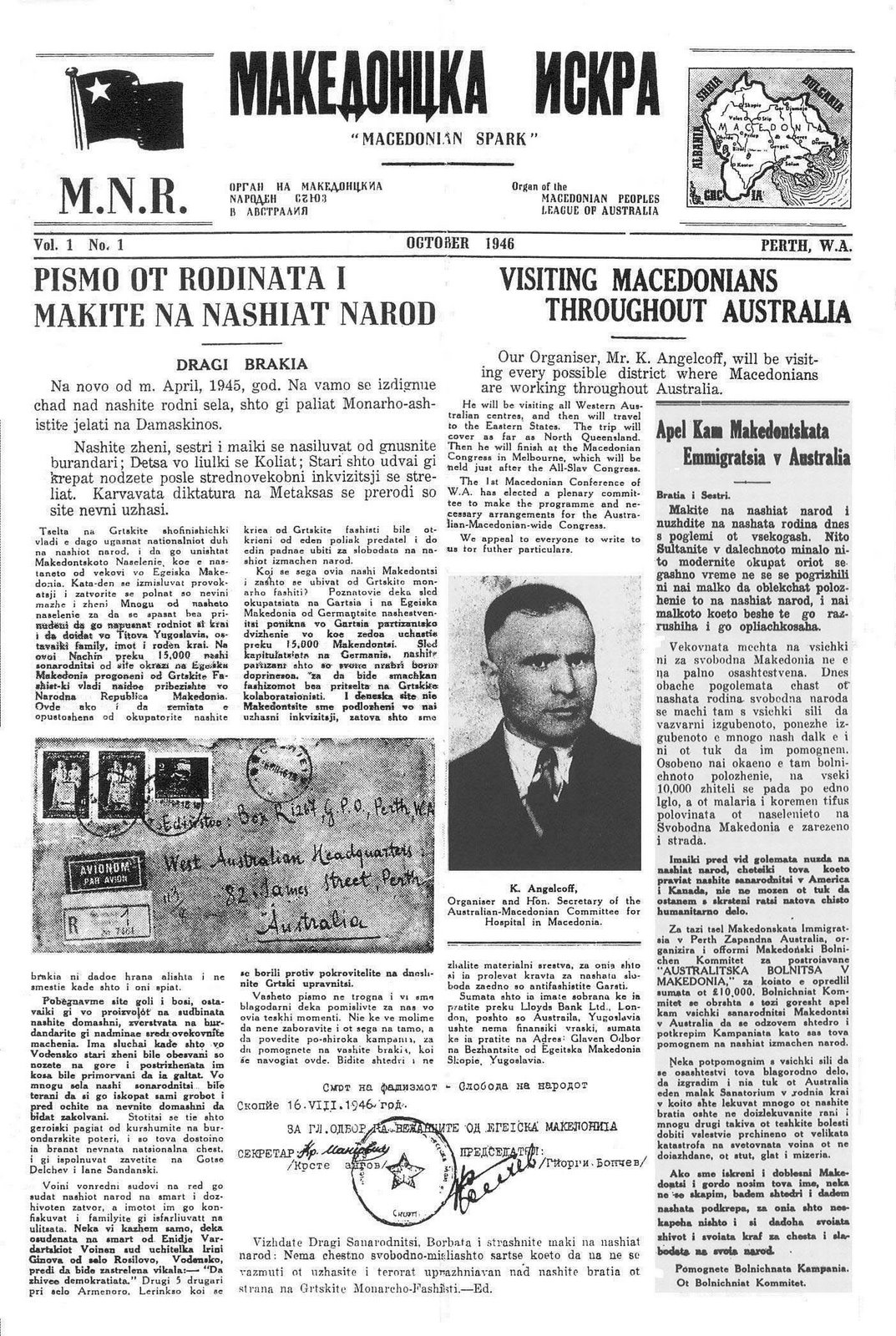 What is everywhere and almost on a daily basis proved is that the propaganda of the ruling class is not relied solely upon the hired bands of lackeys (media scum and academics), but it is also proped up by the confusing ideologies of their self declared enemies. The rulers’power lies in their skill in stuffing their slaves with words to the point of making them the slaves of their words, Vaneigem once said. And he was right.
During the last year there was much political debate between Greek and (Slav)Macedonian bureaucracies upon the name,the constitution and the symbols of the...
- The role of American imperialism in Greece
- Balkan Federalism - The social question and the national question in the idea of Balkan federalism
- Agis Stinas: A Greek revolutionary
- Konstantinos Speras: The Life and activities of a Greek Anarchosyndicalist
- Cairo 1908: The Beauty
- The Early Days Of Greek Anarchism: ‘The Democratic Club of Patras & Social Radicalism in Greece’
- Greek Workers’ Movement in Egypt 1872-1911

Στο κτήριο της Ελληνικής κοινότητας της Μελβούρνης στις 18/07/2019
Με τον Ελευθεριακό στο Αυτοδιαχειριζόμενο Στέκι Πέρασμα, 22/01/2018